
-
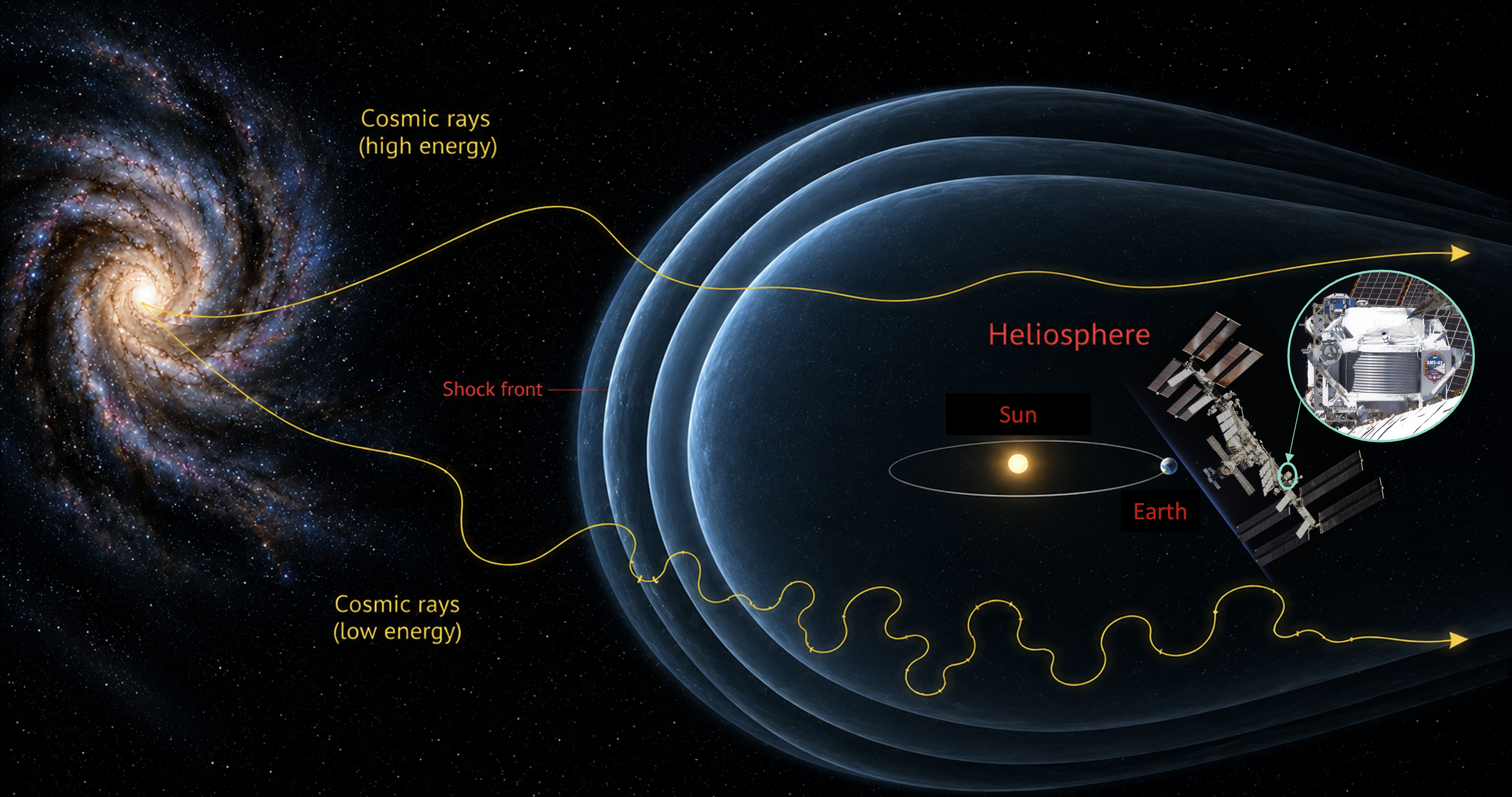
How the Sun Changes the Cosmic Rays Around Us
Cosmic rays are constantly passing through the Solar System, but the cosmic radiation environment around us is far from constant. The Sun continuously changes the magnetic environment through which cosmic rays travel. As a result, the intensity of cosmic radiation can vary on timescales ranging from hours to days and weeks, and eventually over the entire approximately 11-year solar activity cycle. By continuously measuring cosmic rays in space, the Alpha Magnetic Spectrometer (AMS) on the International Space Station allows us to follow these changes in remarkable detail and to compare how different particles respond to the same changing environment.
-

Limits and Discoveries
In experimental physics, not all experiments yield discoveries; limits and discoveries represent different outcomes. Limits constrain the magnitude of effects, while discoveries reveal significant observations, often confirming theoretical predictions. The mindset of researchers influences their exploratory approach, whether searching for new effects or refining existing theories. The statistical methods employed, such as sigma levels, formalize these outcomes. The author reflects on their experience at CERN, emphasizing the importance of maintaining a balance between skepticism and optimism in research.
-

How fast could we leave our Galaxy?
How large is our Galaxy beyond the stars we can see? Cosmic rays travel through an invisible halo around the Milky Way before escaping into space. Some of these particles are radioactive and decay over time. By measuring radioactive and stable isotopes with the AMS-02 experiment, we can estimate the thickness of this halo, improve cosmic-ray models, and better understand positrons and dark matter.
-

Machine Learning: From Road Sign Recognition to Particle Physics Challenges
I wanted to test how well ChatGPT can help write a blog post, so I gave it the challenge of explaining deep learning from how autonomous cars learn from human drivers to how particle physicists use ML to find rare events. The result? I think it’s a solid piece. Still, even though I shared plenty of my writing as style input, I can tell it’s not quite human. See what you think.
-
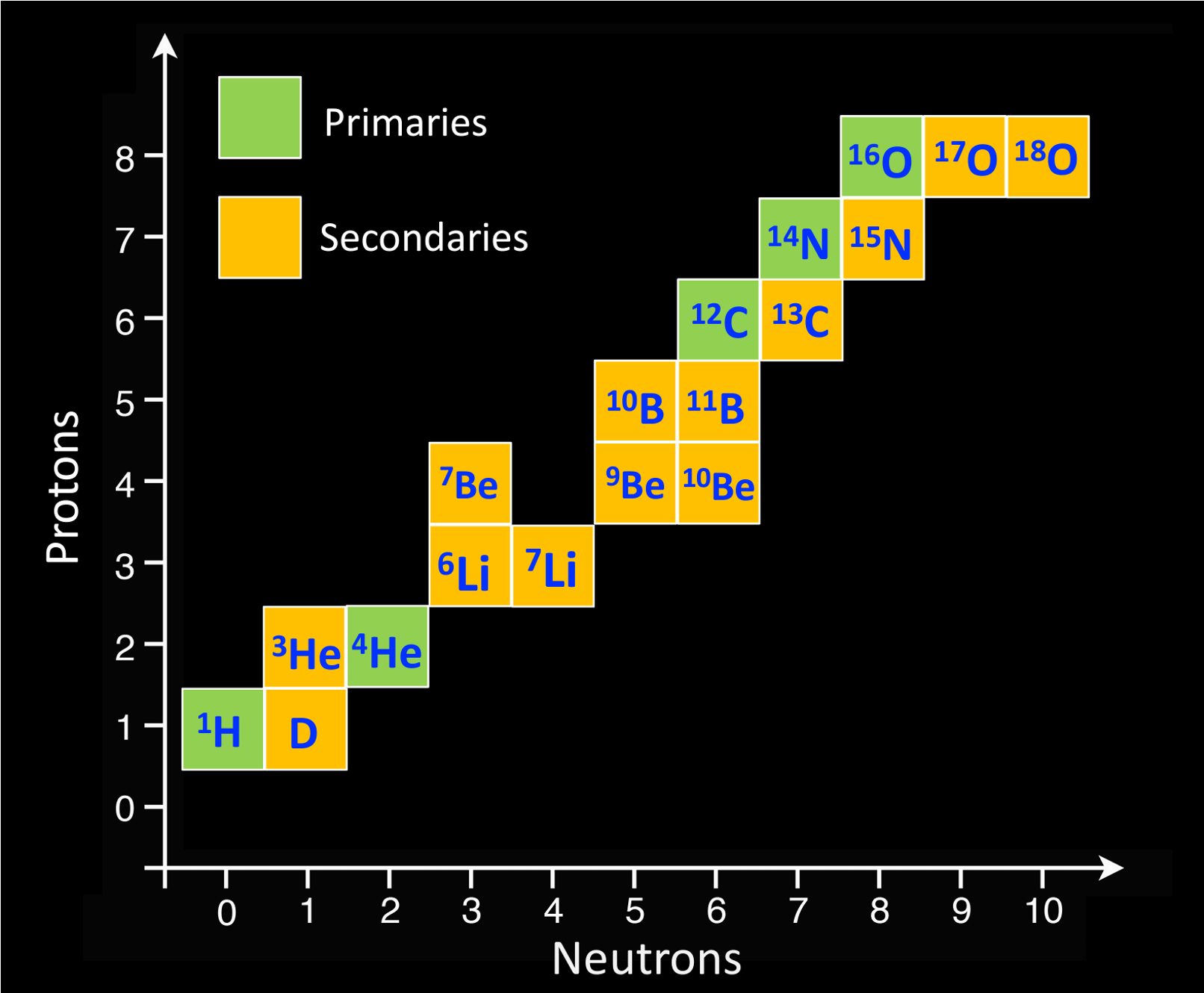
New AMS Results on Lithium Isotopes Illuminate Cosmic Ray Origins
The Alpha Magnetic Spectrometer (AMS) Collaboration has just published the first high-precision measurements of lithium isotopes in cosmic rays, based on more than a decade of data from the ISS. This marks a major milestone in cosmic-ray physics, shedding new light on the production and propagation of light elements in our Galaxy, and providing a fresh perspective on the long-standing cosmological lithium puzzle.
-
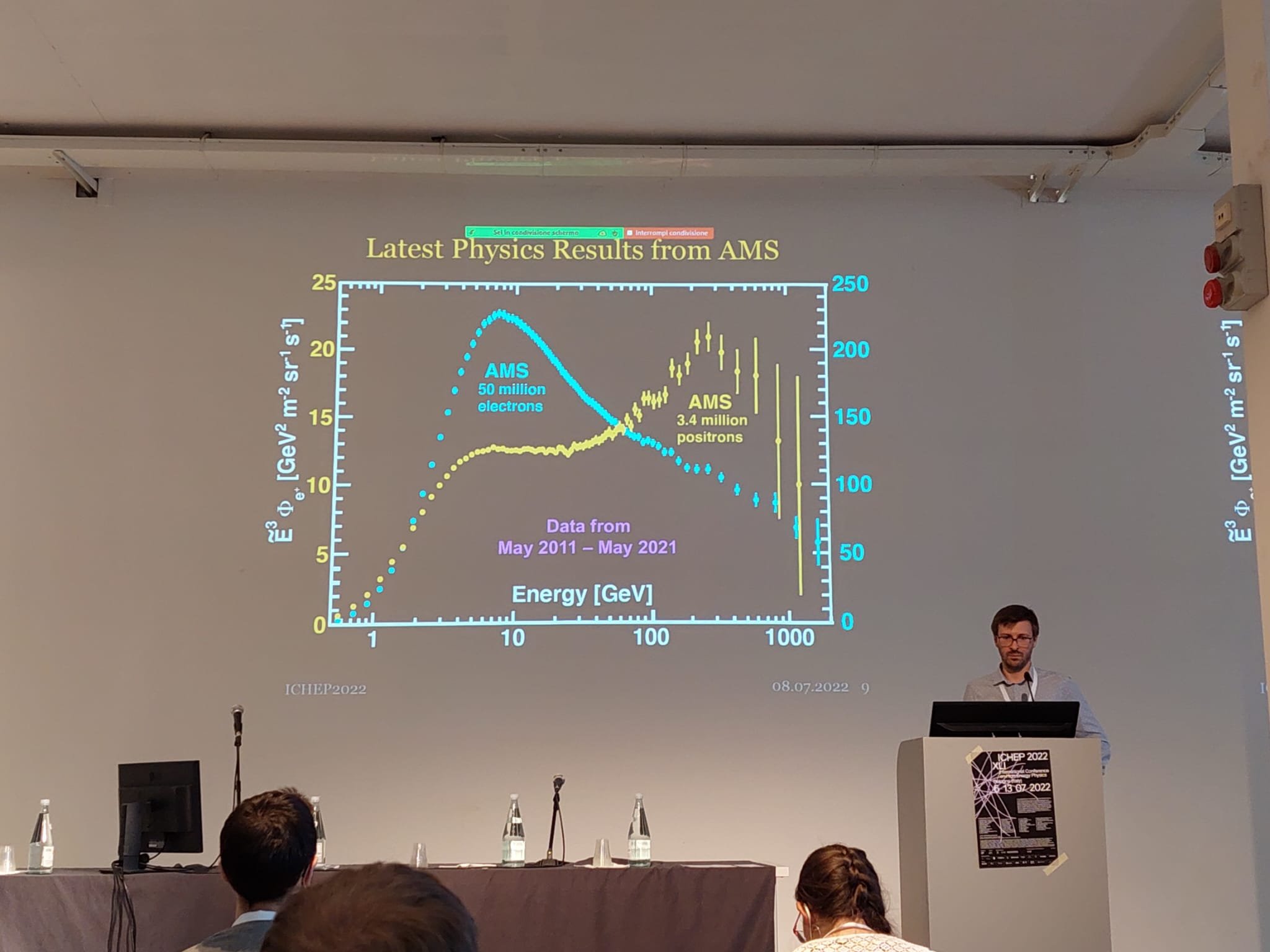
Готовимся к первому докладу на конференции: как все сделать правильно?
Статья для аспирантов и молодых ученых описывает подготовку к научной конференции, включая выбор конференции, структуру доклада и оформление слайдов.
-
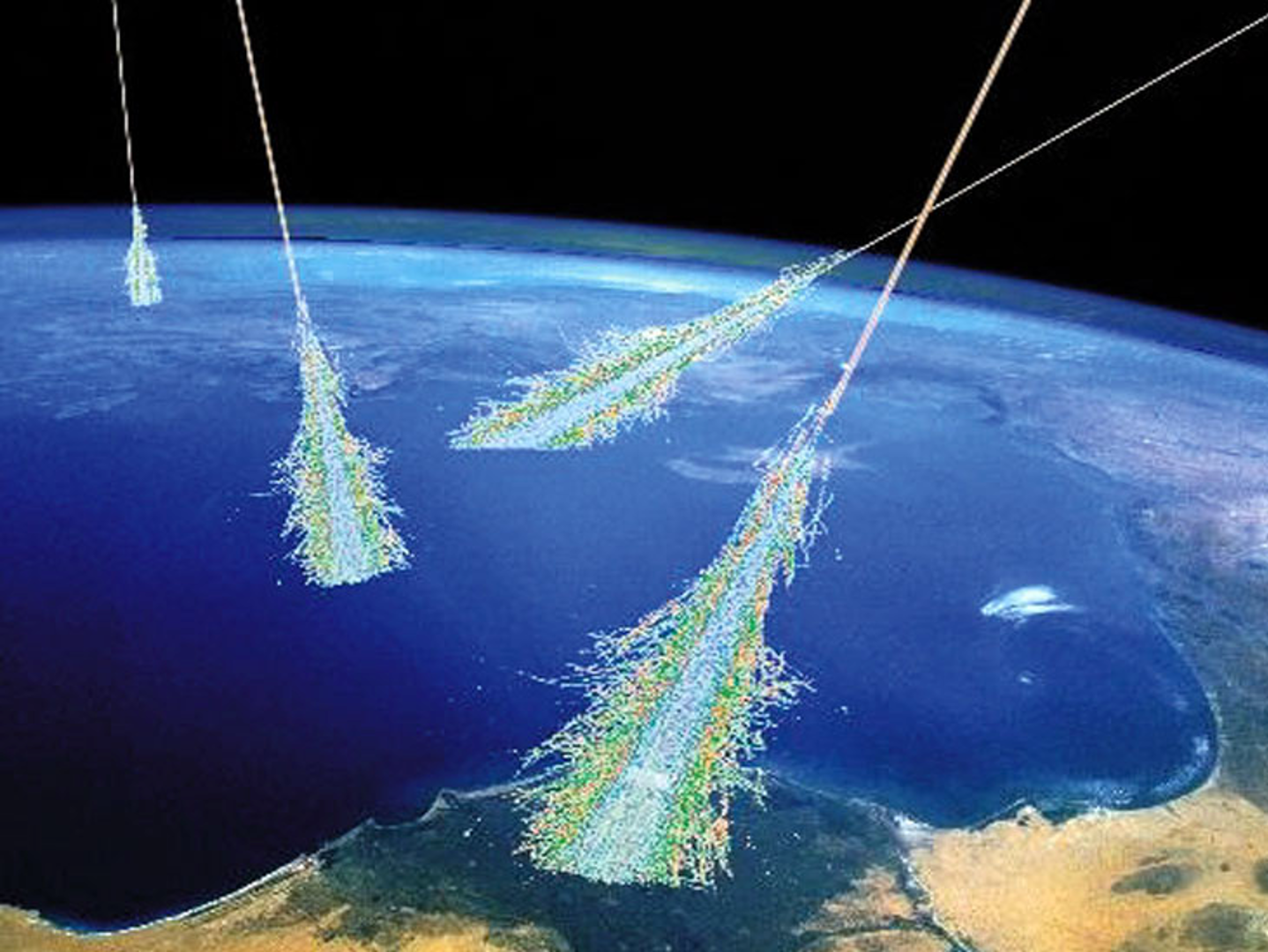
Космические лучи от открытия до наших дней.
На днях я прочел лекцию про космические лучи для школьников в недавно открывшемся Алматинском филиале своего родного вуза НИЯУ МИФИ. На лекции рассказывал немного про открытие космических лучей, но больше про их регистрацию в современных экспериментах, в особенности при помощи AMS.
CERN Cosmic Rays Events Ground Experiments Hunting Particles Interview ML Outreach Photo Science Immersion Space Experiments Tips Video